
"coffee taste development"
20000 article(s) found

Yega Chuefei Fruit Ding Coffee Bean Flavor Story characteristics Water-washed Yega Chevy Coffee Baking Curve sharing
Professional coffee knowledge exchange more coffee bean information Please follow the coffee workshop (Wechat official account cafe_style) Today the editor came to share the baking curve of washed Yejia sherbet fruit cubes. In order to show the personality of this bean, the Qianjie roaster baked three different curves for comparison. Diced fruit

A brief introduction to the history and culture of the origin, development and development of Yega Sheffivoka boutique coffee beans with soft flower scent.
Planting: coffee trees are mostly planted in farmers' own backyards or mixed with other crops in the field, with little yield per household, which is a typical pastoral coffee. These mountain villages are foggy, like spring all year round, with a gentle breeze in summer, cool but not hot, rain but not damp, and no cold damage in winter, giving birth to a unique regional flavor of citrus and flowers. Taste: the so-called Yega Snow Flavor refers to rich jasmine

The Integration of Coffee Culture and Film and Television Culture Coffee Culture Development
In the film, we can often see the hero and heroine sitting in the coffee shop tasting the full-bodied coffee, but it is rare to invest in the film and television culture in the coffee company of the film industry. The collaboration between El Coffee and the film Nunchaku is bound to become a bright spot in the history of China's coffee industry, and the film will be released in major cinemas across the country in March 2012. The movie nunchakus
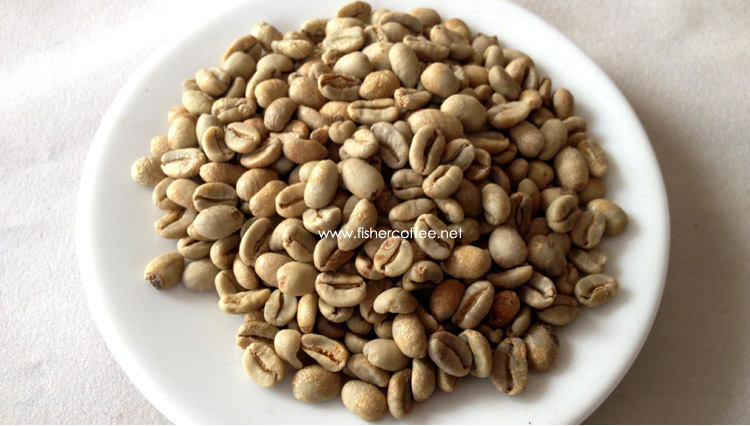
A brief History of the Development of Panamanian Coffee A brief History of the Development of Panamanian Coffee
A brief history of the development of coffee in Panama: according to historical data, coffee was first brought to Panama by European immigrants in the 19th century. In the past, Panamanian coffee did not have a good reputation, and its output was only 1 / 10 of that of its neighbor Costa Rica, but now the coffee industry's focus on boutique coffee has made Panama more and more interested in growing coffee. Panama's geographical advantage lies in its

Learn about the development history of Colombian coffee | what is the famous coffee in Colombia?
Professional coffee knowledge exchange more coffee bean information please follow Coffee Workshop (Wechat official account cafe_style) Colombian Coffee (Cafe de Colombia) is originated in Colombia and is one of the few individual coffees sold in the world under the name of the country. Colombian coffee has a silky taste. People have painted Colombian coffee with high quality and good taste.
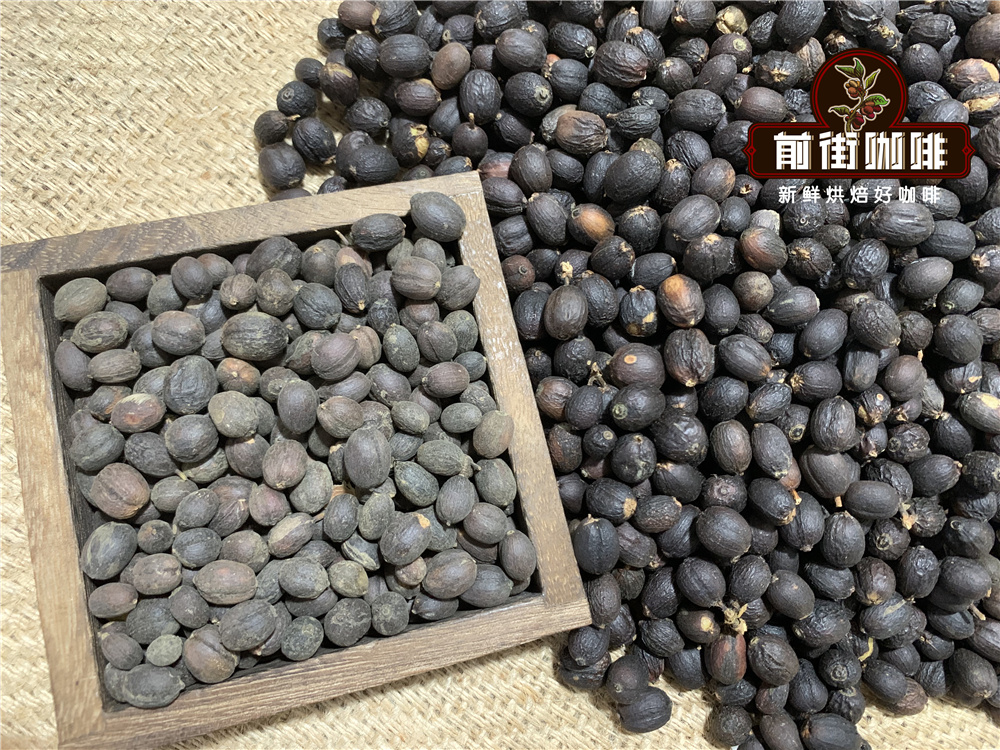
Yunnan Coffee Bean Variety Yunnan Coffee producing area History Story description of flavor and taste characteristics of 2013 small grains of coffee in Qianjie
For the future, local governments in Yunnan have also drawn a blueprint: Dehong is planning to expand the coffee planting area from the current 100000 mu to 200000 mu in the next few years; Lincang plans to expand the existing 20, 000 mu coffee forest by 10 times to 200000 mu in the 12th five-year Plan; Pu'er also plans to expand the 220000 mu coffee forest to

A brief introduction to the Origin, Development, History and Culture of Kaddura Fine Coffee beans in Nicaragua
In Guatemala, there are seven major coffee producing areas, each producing different coffee flavors, but to sum up, Guatemalan coffee shows a mild and mellow overall texture, elegant aroma and acidity similar to acid and pleasant acidity, becoming the aristocracy of coffee, among which the coffee from Antigua (AntiguaClassic) has won the global coffee gluttons.

The characteristics and Development History of Coffee basic knowledge White Coffee
The history and origin of white coffee is a native product of Malaysia with a history of more than 100 years. White coffee does not mean that the color of coffee is white, but uses high-grade Liberica, Arabica and Robusta coffee beans and super skim cream raw materials to remove a large amount of caffeine and remove the bitterness caused by high temperature carbon roasting after moderate and mild low temperature baking and special processing.

What are the characteristics of white coffee and its development history
The history and origin of white coffee is a native product of Malaysia with a history of more than 100 years. White coffee does not mean that the color of coffee is white, but uses high-grade Liberica, Arabica and Robusta coffee beans and super skim cream raw materials to remove a large amount of caffeine and remove the bitterness caused by high temperature carbon roasting after moderate and mild low temperature baking and special processing.

The Development of Coffee Culture | the Historical Origin and Development of Coffee A brief introduction to instant Italian boutique coffee
The ancient Arabs used the dried coffee fruit as a stomach medicine to promote digestion. after it spread to Europe in the 16th century, large and small cafes landed one after another, and gradually became a hot place for local political, cultural and academic exchanges. As the study found that caffeine has a positive effect on job performance and mental state, the development of coffee

Coffee History, Culture and Development in Ethiopia
Yega Sheffield Coffee refers to the Yega Sheffield Coffee produced in Ethiopia. Yega Xuefei is the name of a local town. It is about 1700-2100 meters above sea level. Now Yejashafi coffee has become synonymous with Ethiopian boutique coffee. History: at first, Yejassefi's coffee trees were planted by European monks, and later by farmers or cooperatives. Yejia Xuefei

Introduction and development history of mocha coffee beans
Moka, the editor of development history, gets its name from the famous port of Mocha. Transportation in East Africa was very underdeveloped in the 15th century, but it produced the world's most precious coffee beans, which were gathered in the Yemeni port of Mocha and shipped to Europe. Today, photos of mocha coffee production methods in the port of Mocha (11 photos) have been retreated due to the accumulation of silt.

A brief introduction to the history and culture of the origin and development of Bolivian boutique coffee beans with dried almonds
Bolivia not only has a unique growing environment, but also has an excellent coffee variety Typica. In the past two hundred years, the main variety of coffee in Yanggas area is the ancient Tibica. Tibica coffee has a balanced and soft flavor, with lively aroma and rich sour taste. Unfortunately, the low production of Tibika and its poor disease resistance make Bolivia's

A brief introduction to the history and culture of the origin and development of coffee beans in Kenya
This coffee has an excellent medium purity, crisp and refreshing taste. It has a fresh flavor and is most suitable for drinking iced coffee in summer. When tasting this coffee, if it is paired with sour fruits such as grapefruit, it will certainly give me the best coffee experience. Kenya is bordered to the north by Ethiopia, the origin of Arabica coffee trees, but it was not until the early 20th century that it began to engage in coffee cultivation.

Measurement data record of Sanani Mocha Cup during the Transformation process of Mocha Coffee in Yemen
Yemeni mocha coffee has a unique flavor, some people say that in the coffee, Blue Mountain can be king, mocha can be called queen. Mocha is like love, sweet in bitterness and bitter in bitterness, just like the ups and downs of love. It's about something called happiness. Yemeni mocha is one of the oldest coffee in the world, but until recently, Yemeni mocha has come to be regarded as the best and most beautiful in the world.
What is the story behind the research and development of coffee beans in Starbucks Parker Market?
The exchange of professional baristas please follow the story behind the coffee shop (Wechat official account cafe_style) Starbucks Parker market coffee bean research and development. Parker market roasting was born at a time when the whole world is very turbulent, financial, political, and popular. This is a particularly difficult time for Starbucks. The return of Howard Schultz was followed by more than 600 stores across the United States.

Caramel taste A brief introduction to the History and Culture of the Origin and Development of Fine Coffee beans in Cajun Louis Manor
Hartman's story, like his coffee, is legendary. Hartman Manor is located in Chilidge, Santa Clara. The founder's name is Ellis Strauss Hartman. He was born on June 20, 1891 in the Moravilla region of Austria and Hungary in what is now the Czech Republic, and died on May 25, 1970 at the age of 78. Today's Hartman Manor is a

A brief introduction to the Origin, Development, History and Culture of Katim Fine Coffee beans with a long aftertaste
The output of Tiebika in Yunnan coffee is the lowest and the most expensive, and it also belongs to the best of Arabica species in the world, of which the Blue Mountains of Jamaica and Kona of Hawaii can be said to be Tibica. Due to changes in origin and some cultivation, Yunnan Tiebika is softer and sour is not as sour as Blue Mountain. But generally speaking, Tibica tastes light (it should be very light).

A brief introduction to the History and Culture of the Origin and Development of Matarimoka Fine Coffee beans
The coffee beans produced in Yemen belong to Arabica. Generally speaking, mocha beans are smaller than ordinary coffee beans and look very different from other coffee beans with large particles. However, although this kind of coffee bean is small, it contains distinct features, especially the distinct fruit acid often plays a role in flavor enhancement in mixed coffee. No wonder it is compared to the red in coffee.

History of Vietnamese Coffee Development is Vietnamese Coffee good
Exchange of professional baristas Please follow the coffee workshop (Wechat official account cafe_style) Vietnamese coffee flavor: smell: coffee after the preparation of the smell and aroma. The words used to describe smell include caramel, carbon roast, chocolate, fruit, grass, malt, and so on. Bitterness: bitterness is a basic sense of taste, and the sensory area is distributed at the base of the tongue. Deep